Start with Pittsburgh facade materials and the result you need
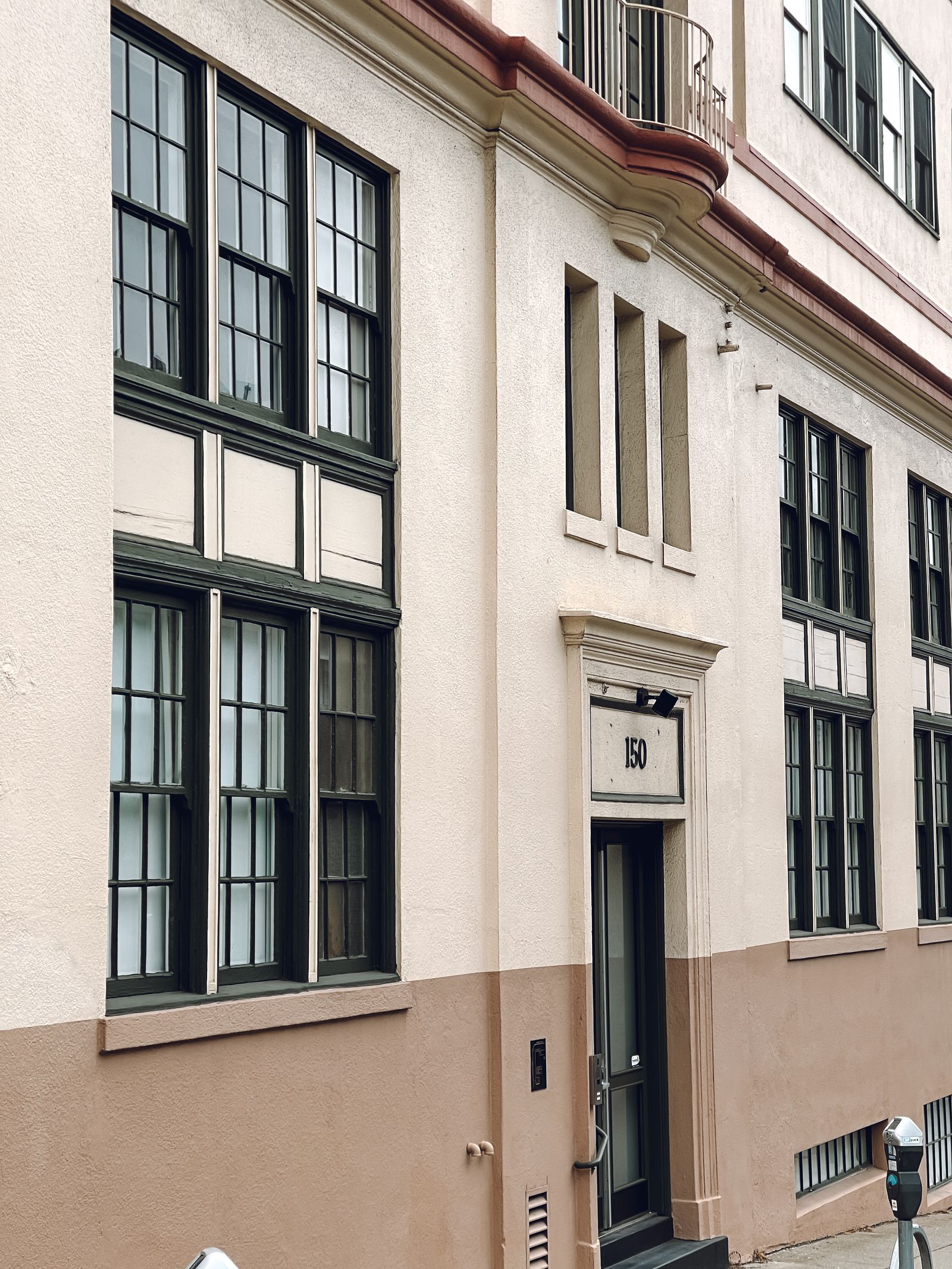
Commercial buildings across Pittsburgh often combine historic brick, aging mortar, sandstone, limestone, concrete, precast, stucco, EIFS, painted trim, metal panels, storefront glass, canopies, and repairs completed during different ownership periods. A converted warehouse in the Strip District may place old masonry beside new glazing. A hospital or research building in Oakland may include broad contemporary panels, rooftop equipment, and sensitive entrances. A hotel downtown may add a porte cochere, sign band, balcony edges, and guest-facing glass. These surfaces should not receive identical chemistry, dwell time, pressure, rinse volume, or access merely because they share one parcel.
Soft washing can be appropriate for compatible organic growth, pollen, bird residue, atmospheric film, and ordinary exterior soil when the material and condition support the method. It does not repair cracked brick, open mortar, spalled concrete, failed sealants, corroded attachments, loose coatings, active leaks, or moisture inside an exterior wall. A dark streak may be algae, soot, oxidation, mineral buildup, road film, or a shadow caused by a failed component. A test area and dry-down period can help the property team judge the expected appearance before the entire elevation is scheduled. The proposal should say what improvement is expected and separate routine washing from contact cleaning, specialty restoration, repair, or investigation.
- Separate brick, mortar, stone, precast, concrete, glass, metal, EIFS, stucco, and painted zones.
- Identify organic growth, river or road film, mineral deposits, oxidation, soot, and pre-existing damage.
- Define whether the goal is a maintenance rinse, visible facade reset, presentation finish, or phased improvement.
- Keep repairs, leak diagnosis, coating replacement, and restoration outside routine washing.
Plan around Pittsburgh neighborhoods and property operations
Downtown, Market Square, the Cultural District, and the North Shore can place cleaning beside sidewalks, transit, rideshare activity, event crowds, restaurants, deliveries, stadium traffic, and active hotel or office entrances. The Strip District, Lawrenceville, and South Side combine storefronts, apartments, outdoor seating, narrow edges, and changing curb activity. Oakland adds university, hospital, research, patient, and campus schedules. Shadyside, East Liberty, and Squirrel Hill may require neighborhood-sensitive staging around retail, residential movement, trees, and limited parking. Properties in the Parkway West, Airport, RIDC, or river-valley industrial corridors may provide more room while still requiring coordination with employee arrivals, trucks, gates, rail activity, and loading areas.
Those neighborhood conditions provide useful planning context, but each property still needs its own operational review. Identify guest and tenant entrances, accessible routes, loading docks, parking, outdoor seating, security rules, emergency access, public sidewalks, delivery windows, and event blackout dates. A hotel may need work around arrivals, breakfast, weddings, or conferences. A medical property may require infection-control, patient, ambulance, or facilities coordination. A corporate office may need a quiet early window before employees arrive. Dividing the facade into controlled zones can preserve one entrance while another elevation is cleaned. The quote should explain the sequence so the property team can see how people and operations remain accounted for.
Account for hills, bridges, rivers, weather, and freeze-thaw
Pittsburgh's topography changes how water, access, wind, shade, and traffic film affect a building. A slope above the Allegheny, Monongahela, or Ohio River can move rinse water toward a curb, neighboring parcel, basement entrance, or low point faster than expected. A shaded north elevation may remain damp while a sunny upper wall dries quickly. River humidity, spring pollen, summer thunderstorms, autumn debris, and winter road salt can create different soil patterns on one structure. Walls near bridges, tunnels, arterial roads, parking decks, and industrial corridors may collect soot, grit, splash, and deicing residue that do not respond like organic growth.
Freeze-thaw movement deserves a condition check before water is introduced. Weak mortar, open joints, cracked coatings, loose masonry, damaged sealants, and spalled concrete can worsen or reveal themselves during a rinse. Water on a sloped sidewalk, ramp, bridge-adjacent walkway, loading dock, or parking deck can become a slip or icing hazard when temperatures fall. A target date is therefore not permission to work through unsuitable conditions. The plan should include checks for wind, rain, lightning, temperature, surface moisture, ice, visibility, and changing water movement. If a storm approaches or a drainage path changes, the team should secure the area, pause, reassess, and resume only when the method still fits.
Recurring stains should also be investigated as water-management clues. A mark beneath a parapet, downspout, roof edge, irrigation line, or failed joint may return after cleaning because the source remains active. A quote can identify that possibility without pretending that washing is a roof, facade, or plumbing repair. Seasonal maintenance recommendations should follow observed exposure, previous results, event calendars, and building standards instead of assigning every Pittsburgh property the same interval.
Use drone assistance only where the Pittsburgh site supports it
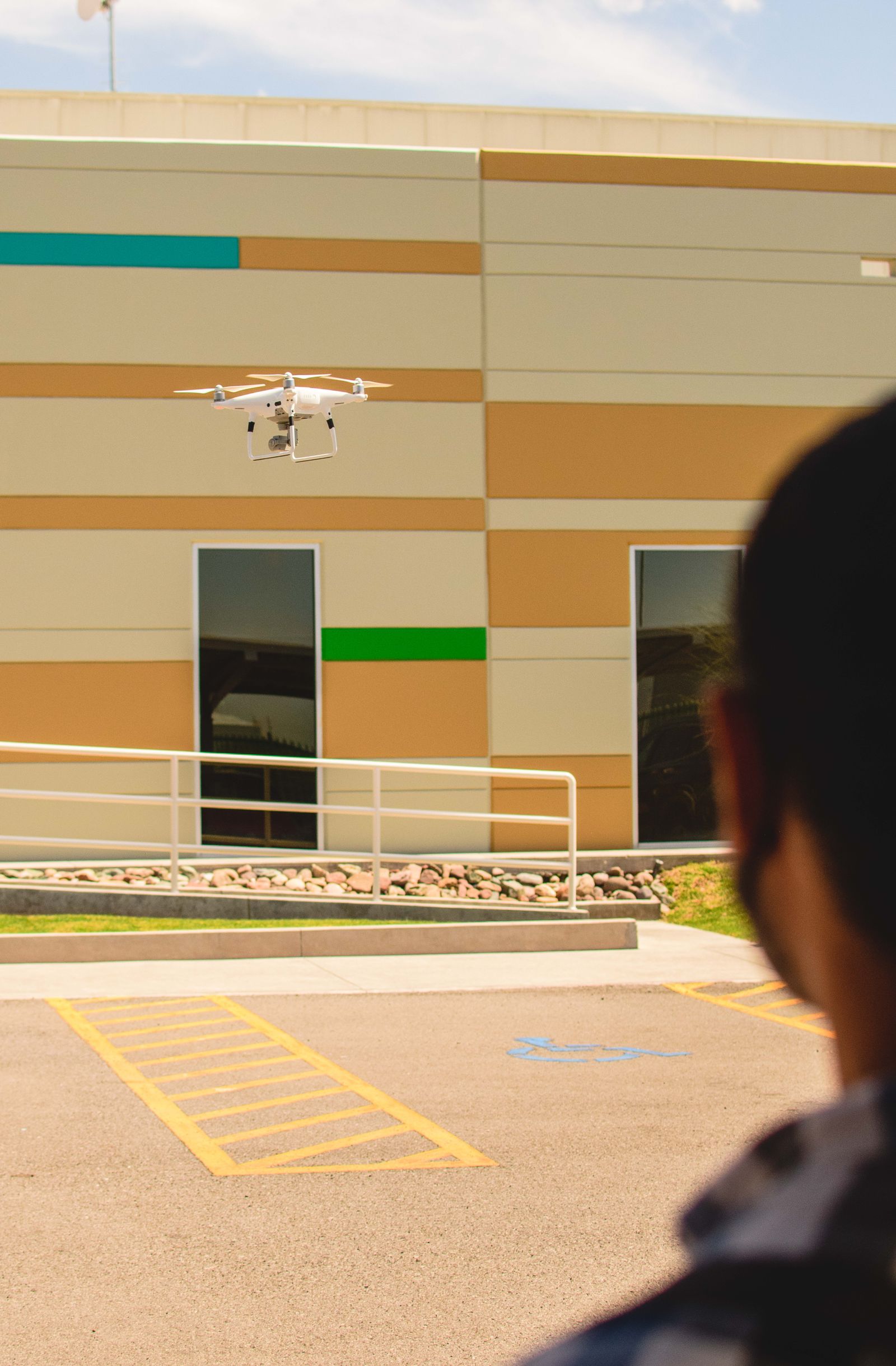
Drone-assisted application or rinsing may support selected upper facade zones when there is safe stand-off distance, clear visual control, a suitable launch and recovery area, predictable hose behavior, manageable wind, and a ground team that can protect people and property. It may reduce some lift repositioning on broad compatible walls, upper ledges, parapets, or sign bands. The aircraft is an access and delivery tool, not a guarantee of a hand-cleaned finish. The substrate, stain, chemistry, dwell, rinse, weather, and closeout standard still determine the result.
Pittsburgh's dense blocks, bridges, utility lines, mature trees, balconies, hillside grades, rooftop equipment, overhead wires, neighboring structures, stadium activity, and active public streets can limit aerial work. Properties near Pittsburgh International Airport, Allegheny County Airport, hospitals with helicopter operations, controlled facilities, or major events require current airspace and site review. Commercial operators must follow applicable Federal Aviation Administration requirements; an owner's permission coordinates the property but does not replace aviation rules or required authorization. If wind changes the spray path, a ground zone cannot be controlled, or the building is too close to people, vehicles, wires, or adjacent property, a pole, lift, hand detail, roof-access method, hybrid scope, or reschedule may be the better choice.
Contact access remains important for entrance glass, frames, recessed details, bonded deposits, mineral buildup, scraping, brushing, polishing, and squeegee work. A thoughtful Pittsburgh scope may use drone-assisted rinsing on a broad upper wall, a water-fed pole on selected glass, and hand work around a canopy, storefront, stone detail, or loading entrance. The right recommendation matches the required finish and the building's constraints instead of applying one technology to every elevation.
Protect people, landscaping, equipment, and river-bound drainage paths
Before applying water or chemistry, map public sidewalks, accessible routes, doors, air intakes, cameras, signs, lighting, vehicles, outdoor seating, landscaping, retaining walls, low points, catch basins, and hose crossings. A Downtown entrance may need a spotter and a short phased control. A hotel or restaurant may need the work zone moved around deliveries and guest arrivals. A hospital, university, or laboratory may need facilities and security coordination. On a hill, a hose or rinse path may create a trip or slip hazard well beyond the wall being cleaned. The goal is a small, understandable work area with a clear handback, not a work zone that surprises people as they approach.
Water management must be planned before the rinse starts. Pittsburgh properties can drain toward curb inlets, combined or separate systems, planted areas, parking structures, river corridors, or a neighboring parcel. The City of Pittsburgh and applicable authorities publish stormwater and sanitary-sewer information, but a visible drain is not automatic permission to send wash water into it. Products, soil load, rinse volume, slope, and discharge route all matter. Depending on the activity, controls may include diversion, collection, recovery, filtration, reduced rinse volume, plant protection, disposal, or coordination with the responsible authority. The quote should state assumptions, responsibility for site confirmation, and what happens if observed flow differs from the initial review.
- Locate drains, low points, slopes, landscaping, doors, intakes, vehicles, and public routes.
- Coordinate with guests, tenants, patients, employees, deliveries, events, and emergency access.
- Set pause triggers for lightning, wind, rain, visibility, temperature, ice, and changed water movement.
- Photograph completed elevations and record stains, repairs, or specialty work left outside scope.
Request a Pittsburgh quote tied to priority elevations
A useful commercial soft-washing proposal should name the service zones, materials, visible soil, included features, proposed method, intended finish, exclusions, water assumptions, access approach, operating window, weather limits, and closeout documentation. It should distinguish broad facade washing from high-detail glass cleaning, hard-water removal, oxidation treatment, construction residue, graffiti, coating work, masonry repair, and envelope inspection. If drone assistance is proposed, the scope should explain the elevations where it is expected and the conditions that must be present before launch.
Send the Pittsburgh property address, wide and close photographs, approximate height, priority elevations, known materials, visible concerns, preferred dates, water access, drainage information, and tenant or guest restrictions. Include event dates, deliveries, outdoor seating, parking limits, security requirements, and prior repair notes. Those details help determine whether a remote review, site visit, test area, or hybrid access plan should come next. We can quote a one-time appearance improvement, a phased priority cleaning, or recurring exterior maintenance around the way the property actually operates.
Drone Building Cleaners helps Pittsburgh property teams evaluate offices, hotels, retail centers, medical and academic facilities, industrial buildings, campuses, garages, warehouses, and mixed-use properties. Call +1 239-351-2897, email contact@dronebuildingcleaners.com, or submit the quote form with the building details. We will explain what can be cleaned, which access method fits, what may remain, and what should be referred to another professional before work is scheduled.