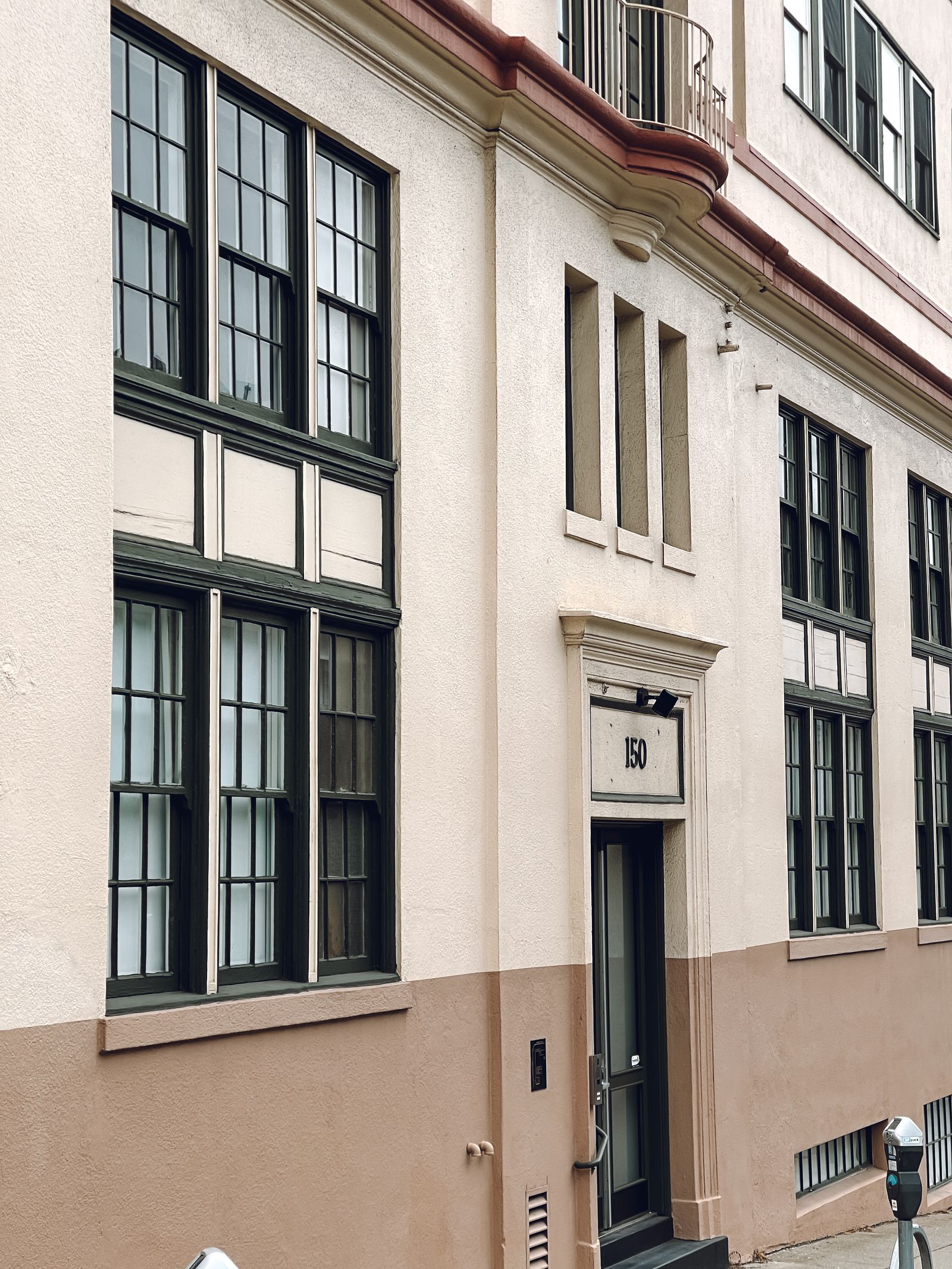
What soft washing does on a commercial facade
Soft washing generally uses a surface-appropriate cleaning solution, controlled dwell time, and a lower-pressure rinse to loosen and remove compatible organic growth, pollen, bird residue, atmospheric film, and ordinary exterior soil. The name does not mean the process is automatically harmless. Chemistry can affect vegetation, metals, coatings, sealants, glass, painted surfaces, and nearby water. Rinse volume and flow can move soil into doors, drains, planted beds, or neighboring property. A commercial soft-washing quote should identify the material, test area, protection, dwell, rinse, water path, and expected finish for each elevation.
Soft washing may fit broad compatible wall areas where the property wants a more even appearance and does not need aggressive mechanical force. It is not a substitute for removing bonded mineral deposits, oxidation, rust, construction residue, graffiti, failed coatings, or embedded soot when those conditions require specialty treatment. It also does not diagnose a leaking roof edge, open joint, cracked facade, or failed drainage detail. If a stain returns below a downspout or parapet, the source may need correction before repeated cleaning can provide a durable improvement.
- Best fit may include compatible organic growth, pollen, bird residue, and ordinary atmospheric soil.
- Confirm chemistry and dwell against brick, stone, concrete, glass, coatings, metal, EIFS, and landscaping.
- Separate cleaning from repair, restoration, glass detailing, and envelope investigation.
- Use a test area when the substrate, coating, stain, or expected finish is uncertain.
What controlled pressure washing can and cannot do
Pressure washing uses mechanical force to remove soil and deposits from surfaces that can tolerate the selected pressure, nozzle, distance, flow, and technique. It can be useful for some concrete walks, loading areas, parking structures, durable hardscape, and other properly evaluated zones. A lower-pressure rinse may also be part of a soft-washing process. The important question is not whether pressure is present but whether its level and technique match the material and the result the owner expects.
High pressure can damage weak mortar, historic brick, sandstone, limestone, stucco, EIFS, painted surfaces, aged coatings, wood, sealants, and fragile trim. It can drive water into joints, lift coatings, etch concrete, create visible wand marks, or spread contamination. A property manager should be cautious when a quote offers one pressure number for an entire Pittsburgh building. The broad concrete loading zone, the brick office facade, the canopy, the storefront glass, and the stone entrance may need different methods and different finish standards.
Pressure can also create a public and drainage issue. A nozzle can move grit toward pedestrians, vehicles, doors, air intakes, landscaping, or curb inlets. On Pittsburgh hills, water and dislodged soil can travel farther than expected. A responsible method plan sets controls, protects sensitive features, manages the water path, and leaves the site usable. It should explain where force is suitable, where it is reduced, and where soft washing or contact work is the better recommendation.
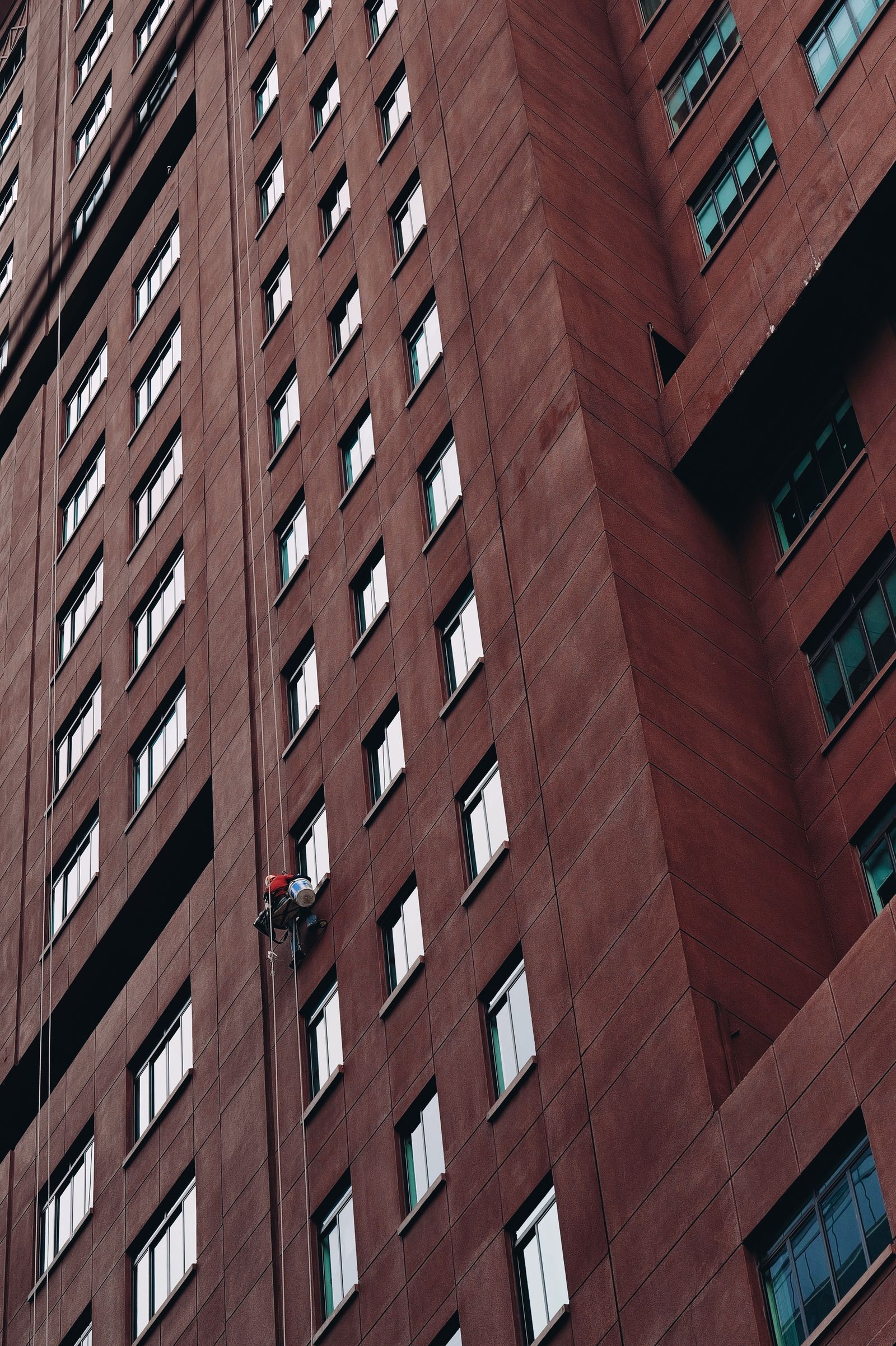
Match the method to Pittsburgh materials and neighborhoods
Material is the first filter, but location changes the operating plan. Older brick and mortar in the Mexican War Streets, Lawrenceville, or the Strip District may need a gentler evaluation than a durable concrete loading pad. Historic stone, decorative masonry, and repaired facades in Downtown, Mt. Washington, or nearby hillside neighborhoods may contain weak or inconsistent zones. Contemporary medical, university, and office properties in Oakland and Shadyside may combine panels, glass, sealants, and sensitive entrances. Industrial properties in the river valleys may have metal, concrete, loading docks, soot, and road residue. Each zone needs its own expected result and access sequence.
Hotels, venues, retail, and restaurants must also account for people. The Cultural District, Market Square, North Shore, South Side, and Station Square can be busy when a building looks most visible to customers. A cleaning sequence may need to avoid conference arrivals, stadium events, outdoor seating, deliveries, patient movements, campus changeovers, or commuter peaks. A quiet method is not automatically the right method, and a quick method is not automatically the least disruptive. The proposal should make the operating window, controls, handback, and owner responsibilities clear.
Consider Pittsburgh weather, elevation, and freeze-thaw before scheduling
Pittsburgh weather can change a method's result and the safety of the work area. Shade and river humidity may slow drying on one wall, while sun and wind accelerate it on another. Summer storms can alter spray drift, visibility, public controls, and drainage. Winter salt and grit can accumulate near roads, bridges, parking decks, and loading areas. Freeze-thaw cycles can reveal weak mortar, cracked coatings, open joints, and damaged concrete that should be documented before cleaning. A calendar date does not guarantee a suitable surface or safe walking route.
The site review should check wind, rain, lightning, temperature, surface moisture, ice, visibility, water access, hose routes, slope, and the forecast for the full work window. If the property is above a steep street or beside a river, consider where runoff and displaced soil will go. If the wall is near an active bridge, public road, rail line, or overhead utility, consider how the work zone can be controlled. A pause or reschedule is part of a professional plan when conditions no longer support the chosen method.
Seasonal recommendations should be tied to observed resoiling and the property calendar. A hotel with strict presentation standards may need entrance care more often than upper rear walls. An industrial building may prioritize road-facing elevations after winter. A medical campus may coordinate work with construction, patient movement, or facilities shutdowns. The right frequency is a property decision informed by exposure and results, not a generic claim that every building needs the same interval.
Where drone assistance fits in the comparison
Drone-assisted application or rinsing can support selected broad upper areas when the site provides clear stand-off distance, suitable wind, a workable launch and recovery zone, airspace compliance, visual control, ground spotters, hose management, and public protection. It may reduce some lift repositioning and disruption on a compatible wall. It does not transform a fragile surface into a pressure-washing target, guarantee uniform contact detail, or remove the need for a test area and a closeout inspection.
Pittsburgh's bridges, wires, trees, steep grades, balconies, rooftop equipment, neighboring buildings, busy streets, medical helicopter activity, and airport-related airspace can make aerial work unsuitable on a particular elevation. Federal Aviation Administration requirements still apply to commercial operations. If people, vehicles, or property cannot be protected, the wind is variable, or the aircraft cannot maintain a safe position, the method should change. A pole, lift, roof access, hand detail, controlled ground rinse, or phased schedule may provide a better result.
Use the technology question after the service question. First define the material, stain, expected finish, water controls, operating window, and access constraints. Then decide whether drone assistance adds value to that scope. A good proposal identifies the aerial zones, the ground or contact zones, the conditions that could stop aerial work, and the price or schedule effect of a fallback method. That gives the owner a real plan instead of a promise built around a device.
Compare Pittsburgh quotes by finish, controls, and closeout
Ask each contractor to divide the property into materials and service zones. The proposal should state whether each zone receives soft washing, controlled pressure, a low-pressure rinse, water-fed pole work, squeegee detail, specialty treatment, or a referral for repair or restoration. It should identify the apparent soil, test area, expected improvement, exclusions, access method, water source, weather limits, public controls, protection, and intended closeout. This makes bids comparable and prevents a low price for an undefined building wash from being mistaken for a complete facade service.
For a Pittsburgh property, ask how the crew handles steep pavement, bridges, public sidewalks, patients, guests, tenants, vehicles, loading docks, landscaping, drains, and river-bound runoff. Ask which elevations are suitable for drone assistance and which require a lift, pole, or contact crew. Ask who can pause work, how weather is checked, what happens when water moves differently than expected, and how incomplete zones are documented. A quote should answer those questions before equipment arrives.
The closeout should include completed-zone photographs, remaining-condition notes, weather interruptions, access limitations, damage or repair observations, and recommendations for the next visit. That record helps an owner decide whether the next service should be a rinse, soft wash, controlled pressure, glass detail, specialty restoration referral, or no work yet. It also lets a multi-property team compare outcomes without pretending that a riverfront hotel, hillside office, and industrial building have the same exposure.
- Require a material-specific method and an expected finish for each elevation.
- Separate routine cleaning from glass detailing, restoration, repairs, and inspection.
- Review access, weather, airspace, people, vehicles, water, and drainage controls.
- Request before-and-after photos and clear notes about remaining conditions.
Get a Pittsburgh method recommendation
Choose soft washing when compatible chemistry and a controlled rinse fit the substrate and stain. Choose controlled pressure when a durable surface and the soil require mechanical force. Choose contact cleaning or specialty restoration when the finish needs brushing, scraping, polishing, squeegee work, or repair. Many commercial projects need more than one method: the concrete loading area differs from the brick facade, the canopy differs from the glass, and the river-facing wall differs from a sheltered courtyard.
Drone Building Cleaners can review Pittsburgh offices, hotels, retail centers, medical properties, campuses, warehouses, parking structures, mixed-use buildings, and industrial sites. Call +1 239-351-2897, email contact@dronebuildingcleaners.com, or use the quote form with the Pittsburgh address and current photos. We will explain where soft washing, controlled pressure, drone assistance, poles, lifts, or contact cleaning fit, what may remain, and what should be referred before the work is scheduled.